
Cline: Don't Trust One Model
A little pet project got an unexpected turn and was replatformed. To save time and protect mental health, most of the work was "outsourced" to an LLM, mostly Gemini. But when we got to GitLab pipelines, progress stalled until help arrived.


A little pet project got an unexpected turn and was replatformed. To save time and protect mental health, most of the work was "outsourced" to an LLM, mostly Gemini. But when we got to GitLab pipelines, progress stalled until help arrived.
The pipeline and documentation looked plausible; all required variables were documented and properly initialized. The first two stages worked as a charm. The build job was initiated, the Docker client successfully logged into GitLab, and then, out of the blue, the build task failed with no explanation, only a reference to shell issues. Step examination, discussion with the agent, and classic Google search haven't shed any light on the reason.
And only after I decided to change the model behind the agent and ask for a second opinion was the root cause identified.
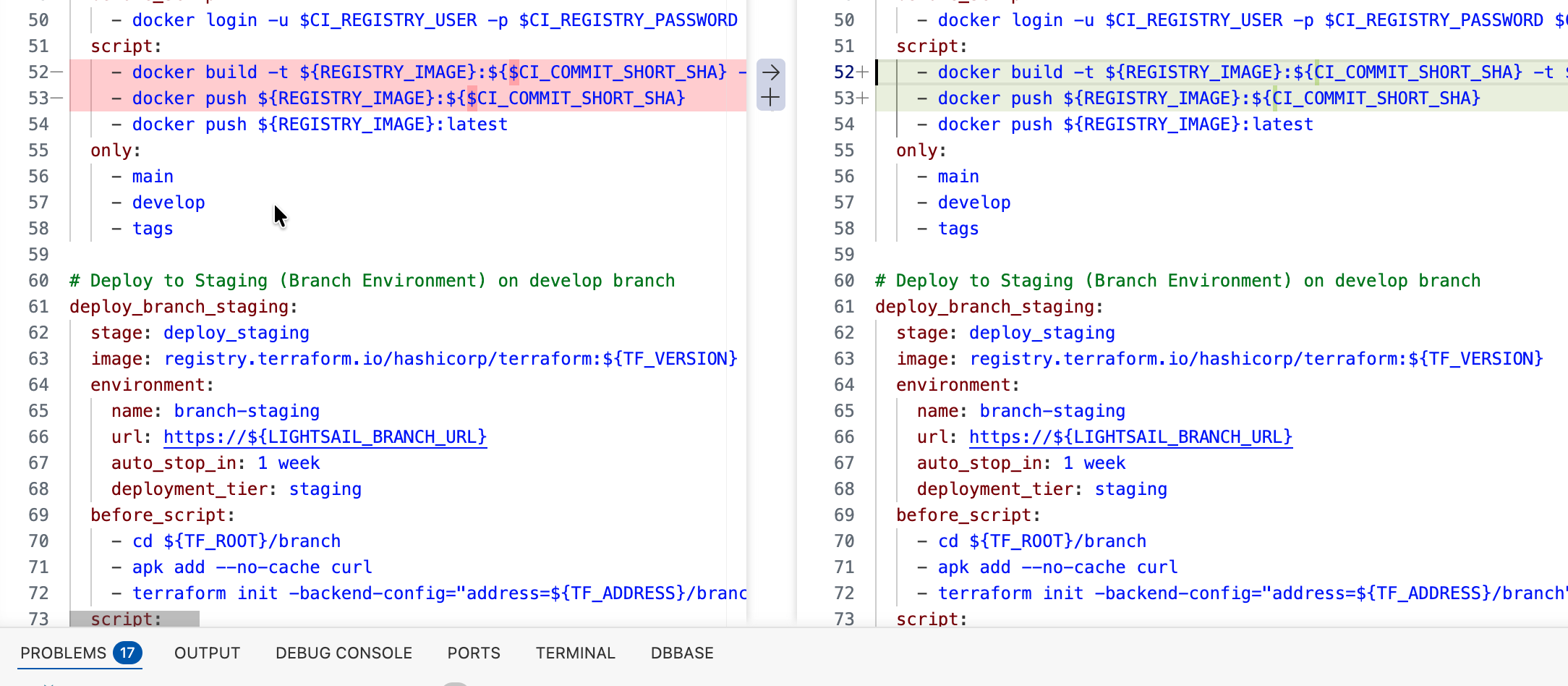
Now, the shell was able to resolve the environment variable name and complete the building.
The reasonable question here: Why did you start with Cline and didn't say a word about it? Don't worry, I'm getting here.
This case is a real explanation of why one may want to have two different models for planning and acting. The Cline plugin offers this feature. To set different models, follow the simple steps:
- Open the Cline plugin
- Click on the configuration cog.
- At the bottom of the model provider configuration, check the box "Use different models for Plan and Act modes."
- Switch to the new "Act" tab and configure the provider and model you want to work on the plan.
- Click the "Done" button to apply changes.
The last question to cover: Why do you even need two models? Apart from my example and the common understanding that some models perform certain tasks better than others, you may save some tokens with the "divide and conquer" approach. Give the reasoning and planning to the complex, expensive model, and when the plan is ready, implement it with a less expensive service.